








Shape Your
Future With Us
Join a community of innovators and leaders. Applications for the 2026 academic year are now open.
● Applications Open
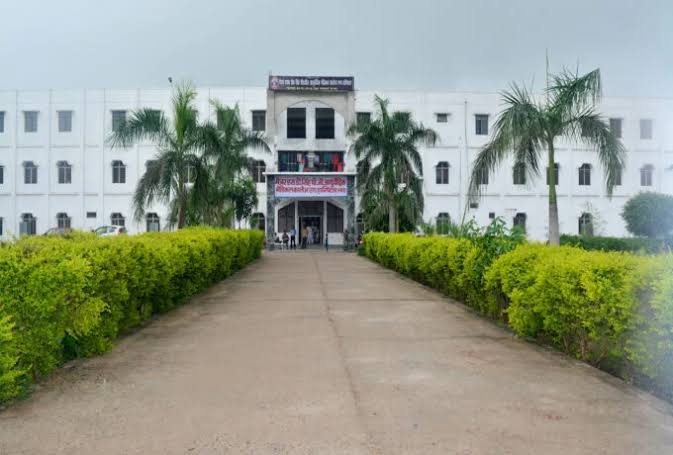
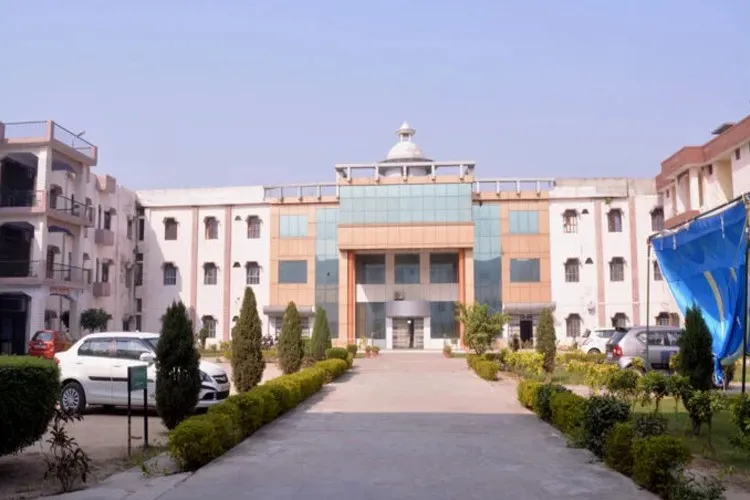
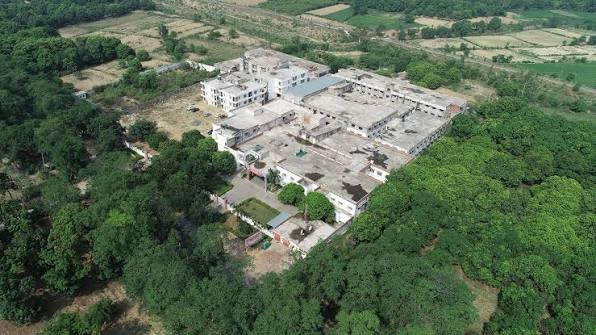
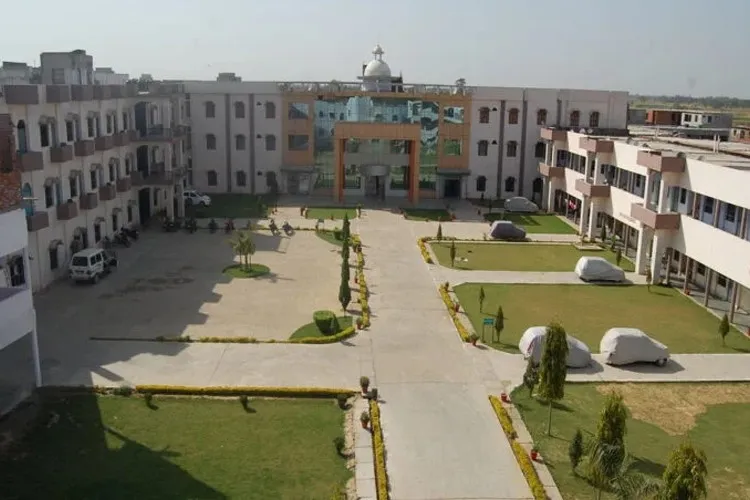
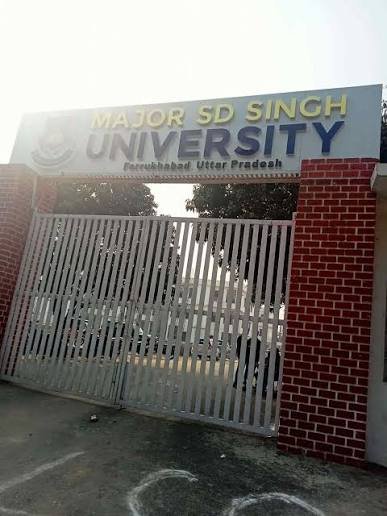
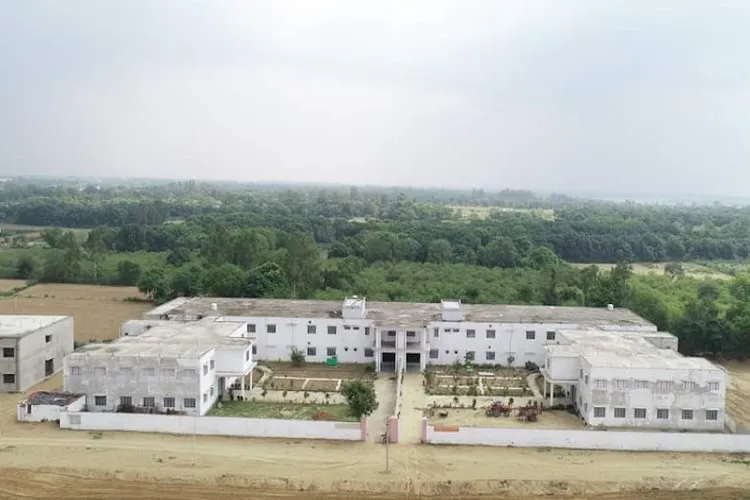
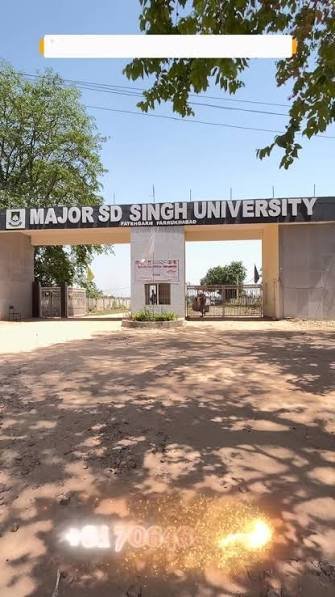
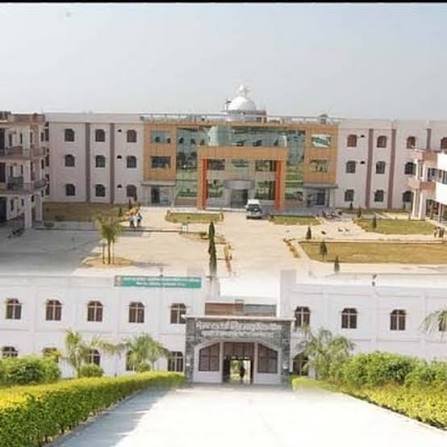
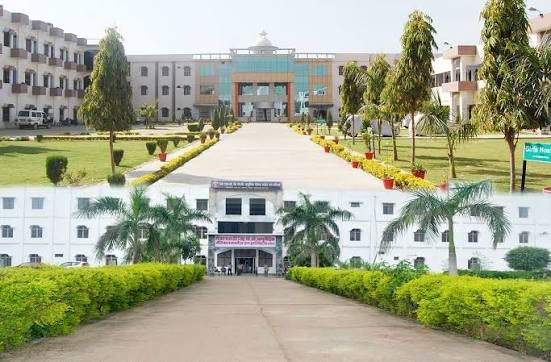
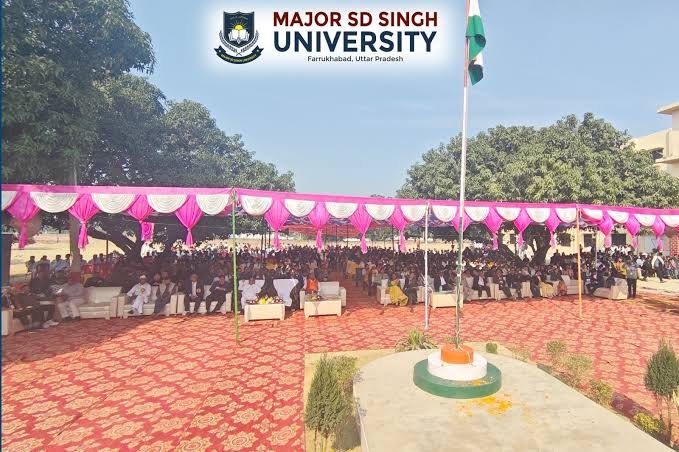
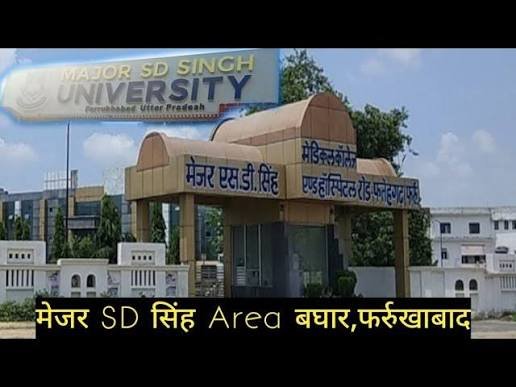
Welcome to MOJOR SD SINGH UNIVERSITY. It was founded in 1966, and MOJOR SD SINGH UNIVERSITY has grown into one of the leading institutions of higher education.
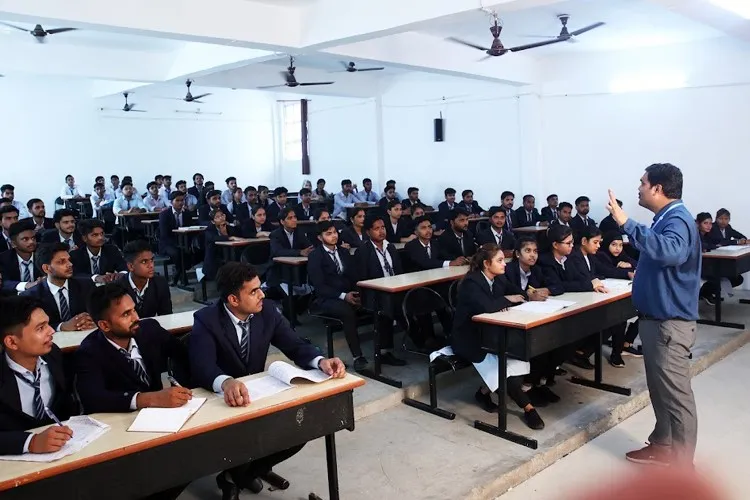
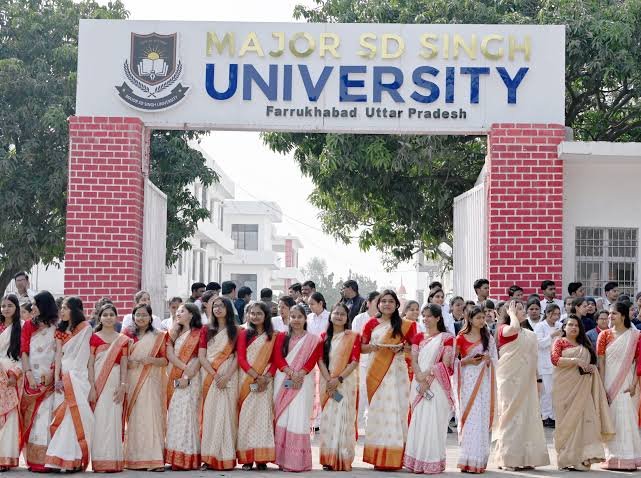
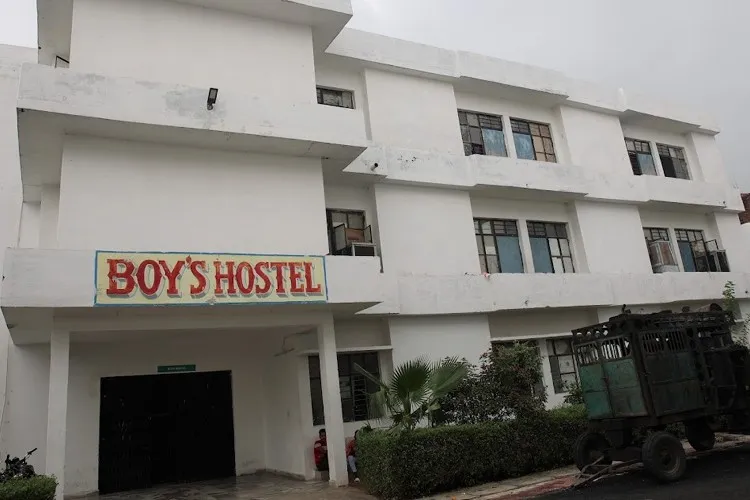
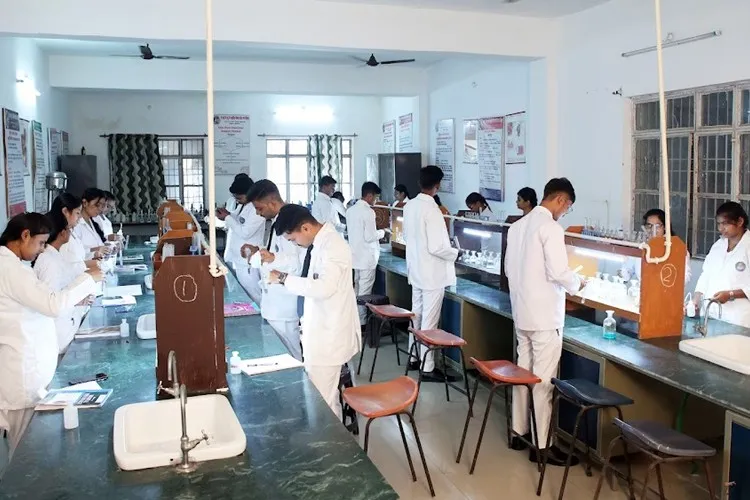
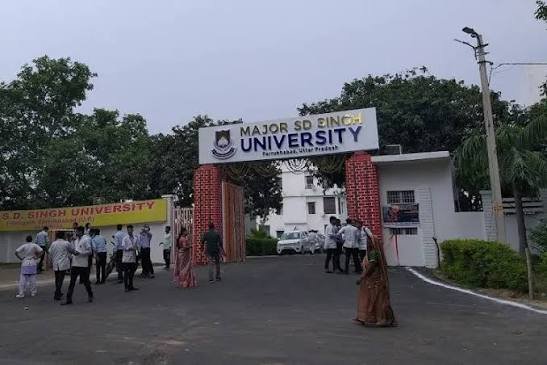
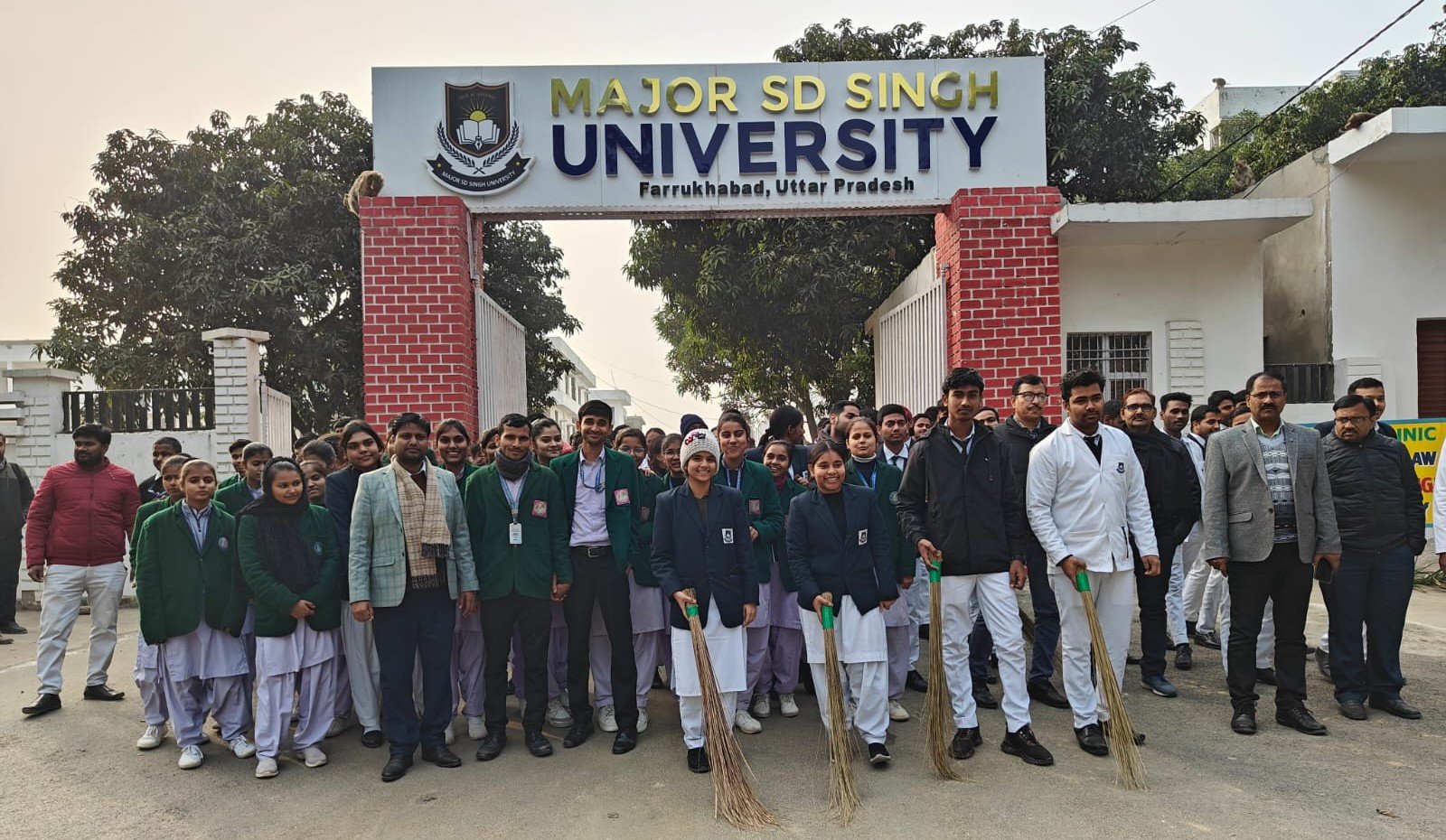
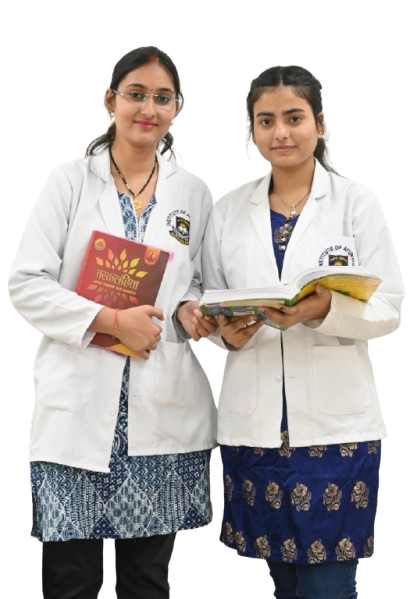
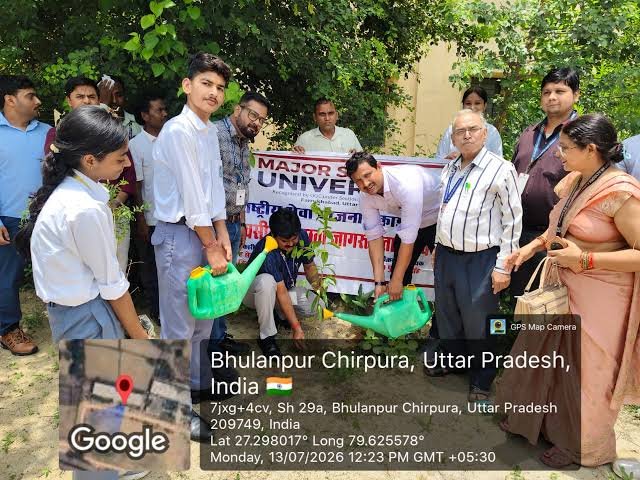
The Herbal Garden Club of Major SD Singh University is an academic and experiential platform run under faculty mentorship. Integrating the core disciplines of Dravyaguna Vigyan (Medicinal plant science) and Agada Tantra (Toxicology and Forensic Medicine), the Club serves as a living learning laboratory. It brings together students and faculty to explore medicinal flora, toxicology, botanical identification, and practical applications in classical and clinical practice.
Recognizing the fundamental role of authentic plant identification, preservation of medicinal species, and the understanding of Visha (toxic) and Upavisha (sub-toxic) plants alongside their Prativisha (antidotes) and Shodhana (Purification processes), the Club bridges classical Samhita concepts with live field experience. It moves learning beyond lecture halls into direct contact with living flora.
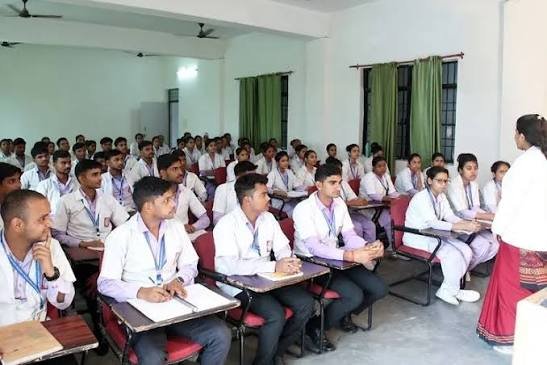
Managed and guided by faculty members, the Club conducts continuous academic, laboratory, and field-oriented activities, including botanical field tours, Shodhana demonstrations, visha dravya identification drives, guest expert lectures, and student research presentations designed to deepen clinical and pharmacological acumen.
Provide Ayurveda students with hands-on exposure to identify genuine medicinal plants in the field based on morphological markers, classical Lakshanas, and Dravyaguna principles.
Create targeted learning modules focused on toxic and semi-toxic medicinal plants (Sthavara Visha and Upavisha), their botanical features, organoleptic profiles, antidotes (Prativisha), and clinical relevance.
Facilitate understanding of seasonal collection protocols (Sangrahana Kala), proper part usage (Prayojyanga), herbarium sheet preparation, and detoxification principles (Shodhana Sanskara) for potent herbs.
Foster regular interaction between students and experienced faculty to connect herbal pharmacology and toxicology directly to bedside clinical applications and Panchakarma practices.
Engage students in the maintenance, propagation, and documentation of essential, endangered, and classically cited medicinal and toxicological species within the university herbal garden.
Conduct regular botanical identification quizzes, chart/model exhibitions, Agada-oriented toxicology case discussions, and seminars to evaluate and boost student knowledge.
Guide undergraduate and postgraduate scholars in documenting local medicinal flora, folk claims (Ethnobotany), and traditional detox practices.
Prepare Ayurveda graduates to accurately identify raw drugs, prevent commercial adulteration, and apply safe, rational prescribing habits in future clinical practice.
The Herbal Garden Club is committed to fostering academic excellence, clinical precision, and deep-rooted classical understanding under the active guidance and mentorship of faculty members.
By grounding theoretical knowledge in continuous practical exposure, the Club provides Ayurveda students with the confidence and competence needed to master medicinal plant identification, handle potent and toxic drugs safely, and uphold the highest standards of Ayurvedic healthcare.

Department of Dravyaguna Vigyan
An accomplished academician and clinician, leads the Herbal Garden Club as its Main Coordinator. He completed his foundational and advanced medical training—both BAMS and MD (Dravyaguna)—from the prestigious Banaras Hindu University (BHU), Varanasi. With extensive expertise spanning classical Ayurvedic pharmacology, medicinal plant conservation, and toxicological studies, he mentors undergraduate scholars through live field-based learning, research, and hands-on botanical training. Under his leadership, the Herbal Garden Club bridges ancient Samhita wisdom with modern scientific evaluation.