















Shape Your
Future With Us
Join a community of innovators and leaders. Applications for the 2026 academic year are now open.
● Applications Open
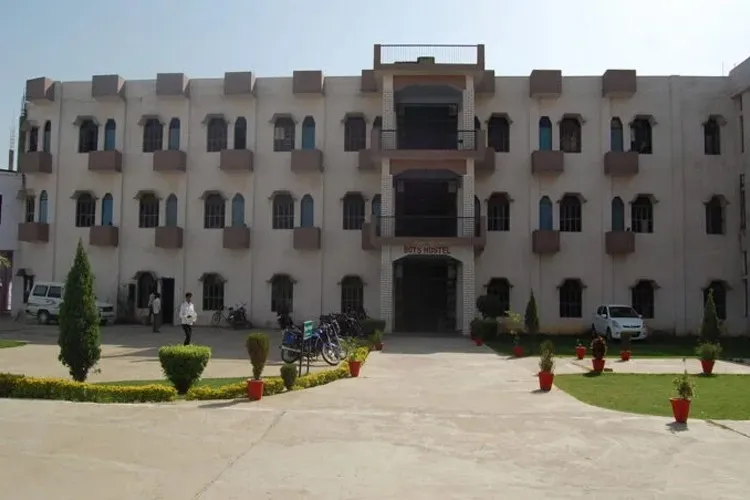
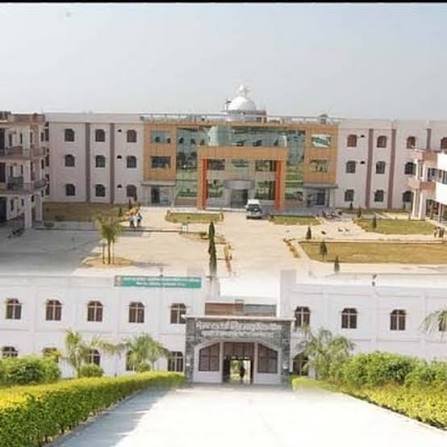
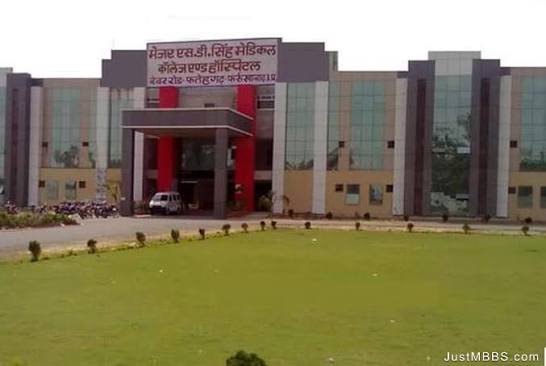
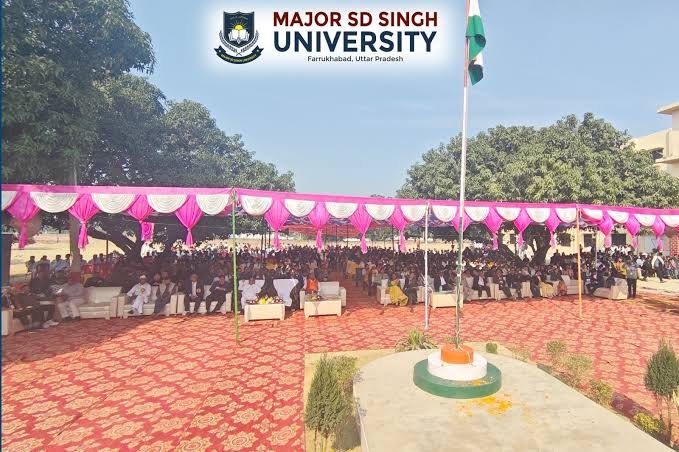
Welcome to MOJOR SD SINGH UNIVERSITY. It was founded in 1966, and MOJOR SD SINGH UNIVERSITY has grown into one of the leading institutions of higher education.

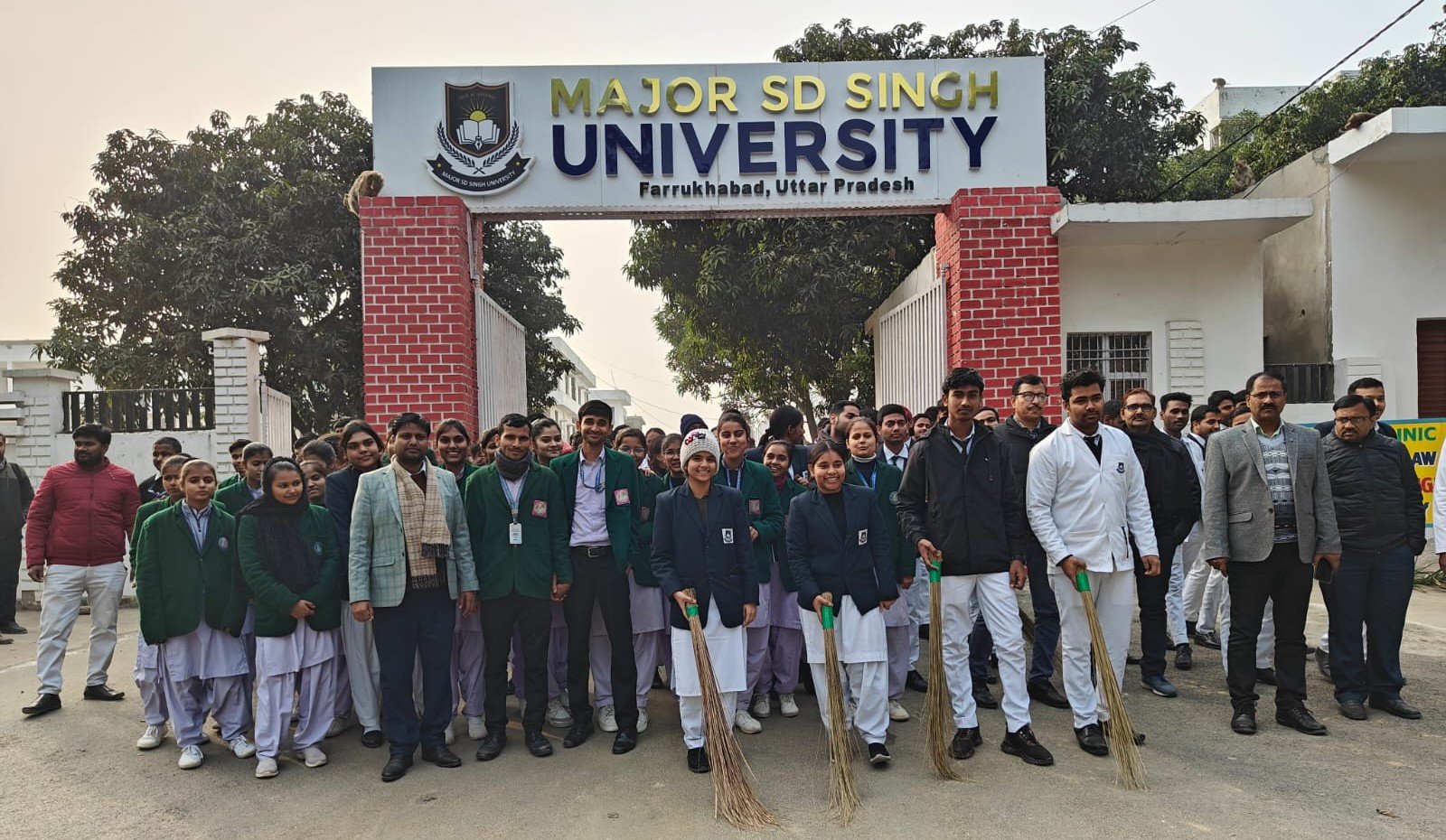



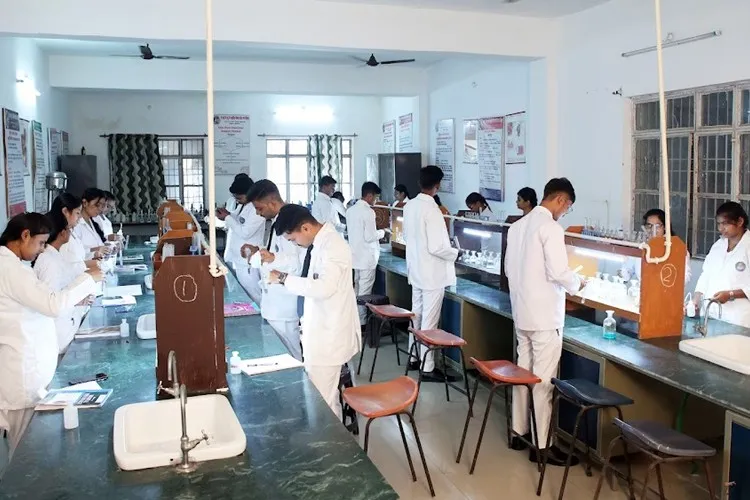
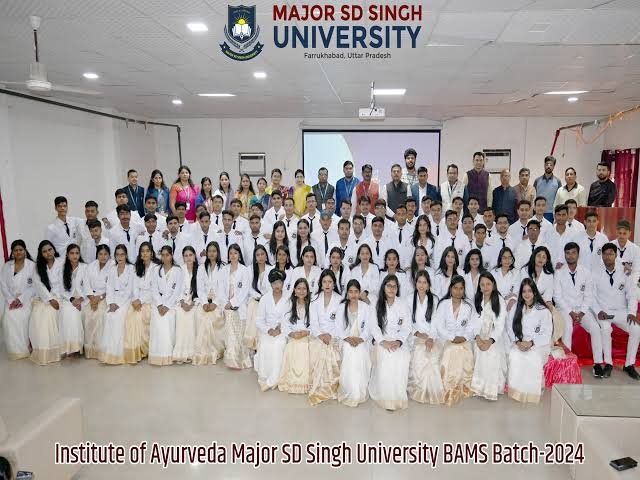
The Institute of Ayurveda refers to a specialized government or academic body responsible for the promotion, regulation, and development of Ayurveda, the traditional system of medicine practiced in India and other parts of the world.
Apply for AdmissionThe Institute of Ayurveda refers to a specialized government or academic body responsible for the promotion, regulation, and development of Ayurveda, the traditional system of medicine practiced in India and other parts of the world. Ayurveda, meaning "science of life" in Sanskrit, is one of the oldest known medical systems and takes a holistic approach to health, focusing on the balance of the body, mind, and spirit. The key functions of a Department of Ayurveda typically include:
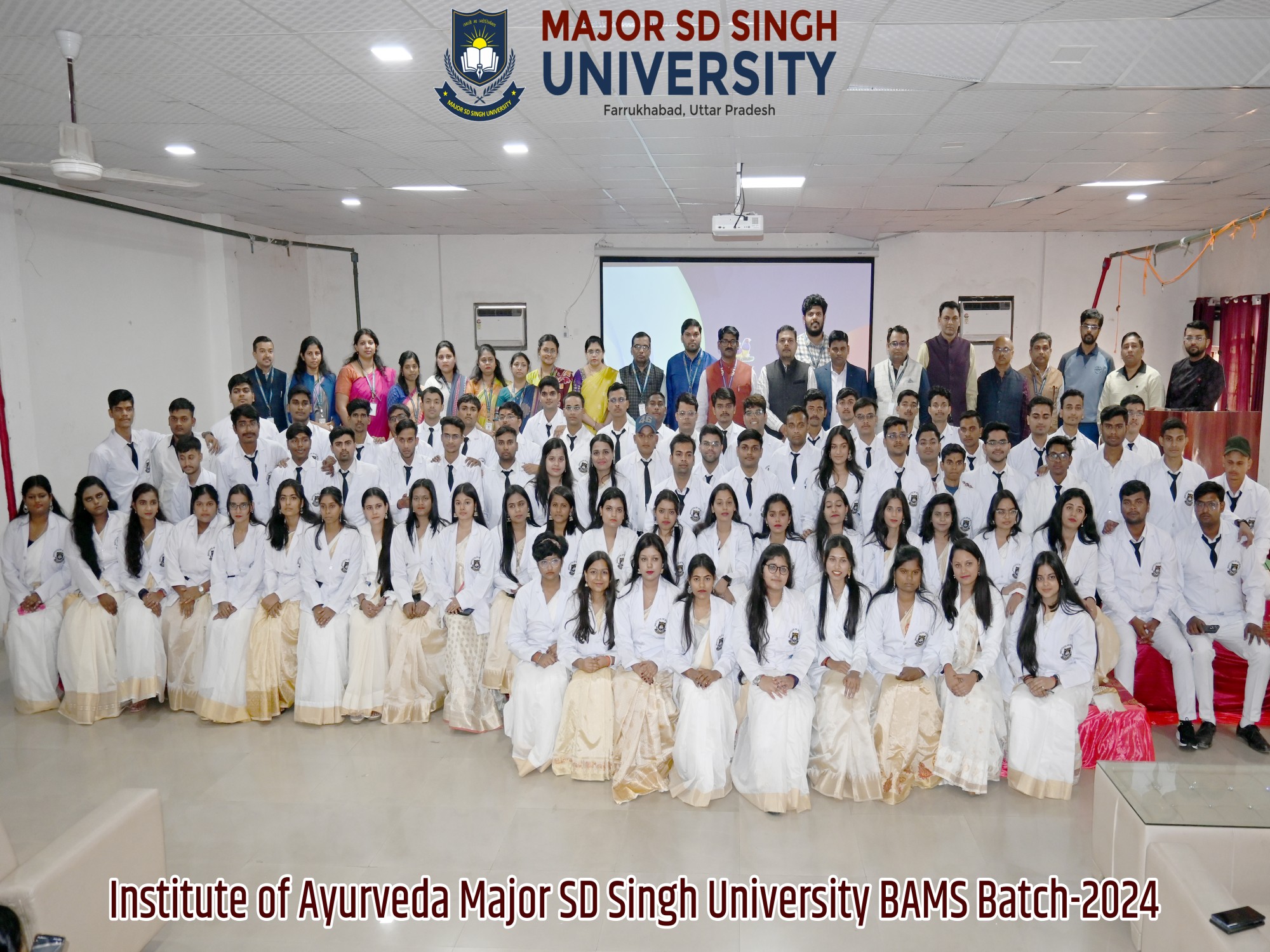
The department formulates policies to regulate the practice of Ayurveda, ensuring that practitioners adhere to proper guidelines and that treatments offered are both safe and effective. This may involve establishing licensing systems for practitioners and accrediting Ayurvedic institutions.
The department promotes research in Ayurvedic medicine, aiming to validate traditional practices through modern scientific methods. It also works to improve the educational infrastructure by providing funding to institutions offering Ayurvedic degrees and facilitating training programs for practitioners.
The department may operate Ayurvedic healthcare facilities, offering Ayurvedic treatments to the public. These facilities could range from hospitals and clinics to wellness centers, focusing on preventive, curative, and rejuvenative care.
A key role of the department is to preserve ancient texts and practices related to Ayurveda, many of which are documented in Sanskrit manuscripts. The department assists in translating and disseminating this knowledge to ensure it is passed on to future generations.
Given Ayurveda’s reliance on herbal medicines, the department works to promote the sustainable harvesting, production, and use of medicinal plants. This also includes ensuring that products meet quality standards and are safe for consumption.
With the increasing global popularity of Ayurveda, many departments collaborate internationally to share knowledge and practices. These collaborations may include cultural exchanges, training programs, and partnerships with international health organizations.
The department also oversees the production and sale of Ayurvedic products, such as herbal supplements, oils, and treatments, ensuring they meet health and safety standards.
Examples of Ayurveda Departments:

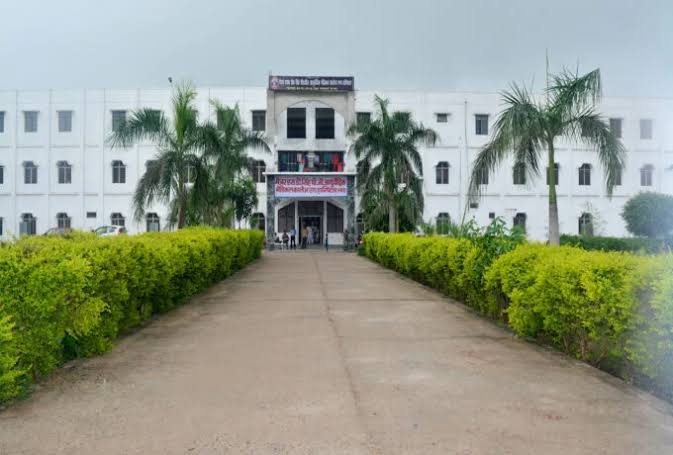
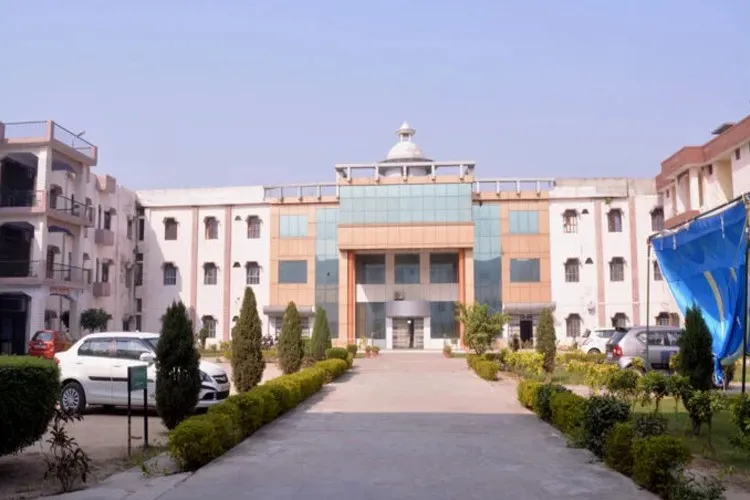
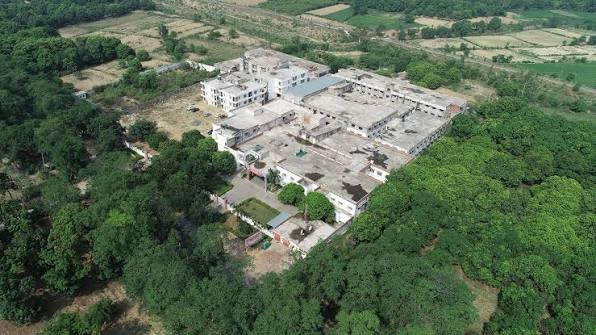
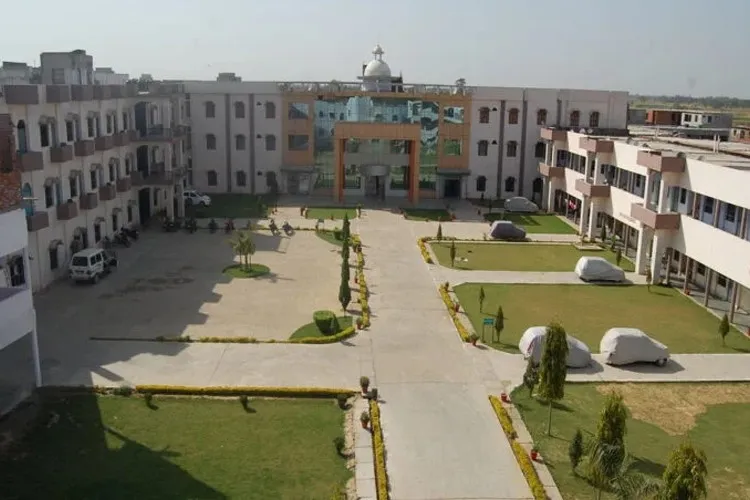
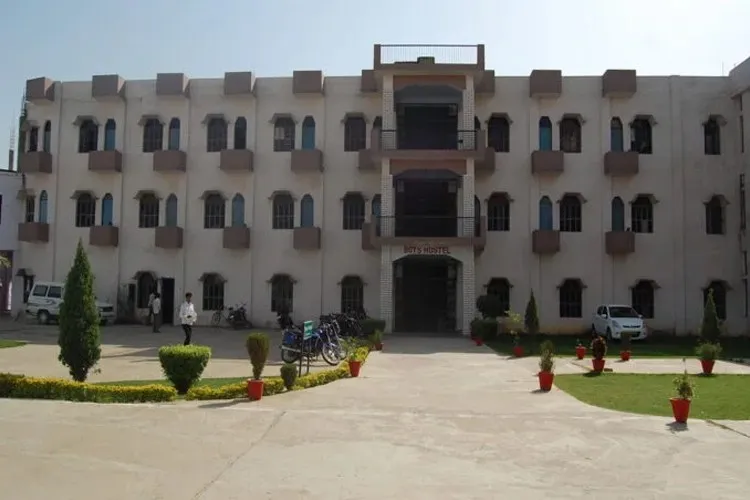
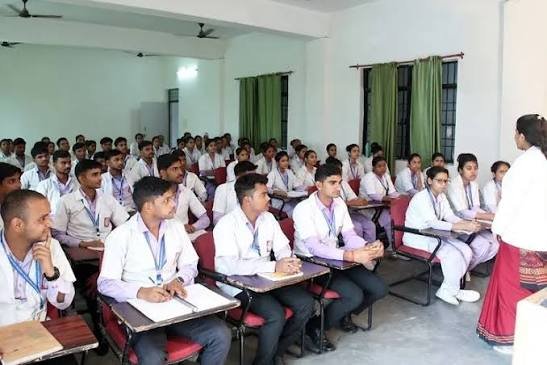
The Institute of Ayurveda, located at Major SD Singh University, Kanpur Road, Fatehgarh, Farrukhabad, Uttar Pradesh, is one of the leading institutions in the state. Since our establishment in 2015, we have experienced remarkable growth and progress. In line with our commitment to excellence in both education and patient care, we pride ourselves on having the finest faculty and state-of-the-art infrastructure to support our students in their academic pursuits and co-curricular activities.
As the principal, I am honored to lead this institution, dedicated to advancing healthcare through excellence in medical education, research, and patient care. We remain steadfast in our mission to provide the highest standard of medical education and healthcare. With warm regards and best wishes for continued success.